Company case study 01
EverEx USA
Marketing Management, Strategy & GTM
- $359Kmarketing-influenced sales pipeline
- 200+event leads across the U.S. conference program
- 101marketing leads from one integrated campaign
Company overview
EverEx is a digital health company bringing remote therapeutic monitoring (RTM) to physical therapy practices across the U.S. It is part of a global organization with teams focused on the United States, Korea, Japan and Singapore.
The buyers are clinic owners, practice leaders and the clinicians who would use the platform day to day. They face staff shortages, rising costs and pressure to find new revenue. The sales cycle is long and clinical, and the marketing budget is small, so every program has to earn its place.
My role
I joined EverEx in August 2025 as Marketing Associate and was promoted to Marketing Manager in April 2026, after eight months.
I’m the dedicated marketer for EverEx’s U.S. business. I plan and run U.S. marketing within the global team and work closely with leadership, sales, product, the clinical team and operations. My work spans three areas:
Marketing management
- Integrated campaign planning and execution
- Priorities, timelines, deliverables and KPIs
- Cross-functional coordination
- National conferences and events
- Marketing operations and process improvement
- Performance analysis and reporting to leadership
Marketing strategy
- Contributions to quarterly and annual planning
- Market and competitive research
- Buyer understanding and audience segmentation
- Channel strategy and campaign development
- Optimization based on performance data
- Finding ways to improve positioning and conversion
Go-to-market
- Contributions to ICP development
- Buyer research and competitive intelligence
- Positioning and messaging support
- Sales enablement
- Campaign and launch communications
- Alignment across marketing, product, sales and leadership
On go-to-market, my role is contribution and support. I bring buyer research, competitive insight and messaging to work that product, sales and leadership also shape.
Marketing challenges
When I started, U.S. marketing had four problems to solve at once:
- Proof. EverEx’s platform addresses staffing, cost and revenue pressure, but the market needed proof, not promises.
- Lead generation. Paid social was a handful of boosted posts aimed at reach and website visits. It had produced no form leads.
- Measurement. Until April 2026, EverEx’s CRM could not see marketing. No website forms were tracked in HubSpot, so no one could say which channel produced a lead.
- Focus. With a small budget, marketing needed to know which buyers and specialties were worth prioritizing.
Strategic approach
I start with the buyer. Before a campaign, I look at who decides, what keeps them up at night and how competitors talk to them. That research shapes the ICP, the offer and the message.
From there I work in four steps:
- Anchor the message in evidence. Real customer data beats generic claims, and clinic owners respond to math.
- Segment before scaling. I split audiences so I can see which buyer group converts, then move budget toward it.
- Treat campaigns as tests. Each campaign is paired with a specific offer, so the results tell me something I can act on.
- Measure from the start. I built CRM tracking and defined lead measures so that marketing decisions rest on data, not impressions.
Key initiatives
These projects show how that approach played out. Each one supported the broader goal of building a U.S. marketing engine that sales could rely on.
Initiative 01
The EverEx Effect
- 101marketing leads in three months
- 50%webinar attendance rate
- 291contacts engaged, 220 of them new
I designed a three-month, full-funnel campaign around one thesis: if a single-location island clinic with no room to grow could scale with RTM, any clinic can.
I anchored every asset in that customer’s real results and built a phased plan from awareness to consideration to conversion. The campaign ran across a customer case study, a gated whitepaper, six blog posts, a seven-email nurture, a flagship webinar, the APTA CSM 2026 booth, paid LinkedIn and sales enablement tools including an ROI calculator.
Messaging pillars
- Scale without expanding.
- Real data, real outcomes.
- Built for clinicians.
- RTM as workflow, not feature.
Results
- 101 marketing leads captured across forms, the CSM conference and webinar registration.
- The March flagship webinar drew 34 registrants with a 50% attendance rate.
- 291 contacts engaged with the campaign, 220 of them new.
What I learned
Real customer data beats generic claims. Next time I’d test paid audiences earlier and build CRM attribution before launch, which I did from April onward.
Joe is an excellent colleague who brings tremendous insight and expertise to go-to-market strategy.
Initiative 02
RTM Playbook and LinkedIn demand generation
- 0 to 56LinkedIn lead-form leads
- 1/3the cost per lead in the physician segment
- $91.80average cost per lead across lead-gen campaigns
When I was promoted, EverEx’s paid social had produced no form leads. With a small budget and a long, clinical sales cycle, every dollar needed to produce a contact sales could work.
I rebuilt the program around gated offers and LinkedIn lead-gen forms, and treated each campaign as a test. Each campaign was paired with a specific educational offer: a pelvic health growth report, an RTM Playbook, client results content and webinar promotions.
I split the RTM Playbook campaign by audience, with physician and orthopedic leadership in one ad set and PT and rehab leadership in another, and added retargeting for engaged audiences.
Results
- 56 lead-form leads in seven months, from zero in the prior eight.
- $91.80 average cost per lead across lead-gen campaigns.
- In the RTM Playbook split test, physician and ortho leaders converted at $58.29 per lead, one-third the cost of PT and rehab leaders. I shifted the next round of budget toward that segment.
Cost per lead by audience, RTM Playbook split test
Cost per lead
Lead-form leads, before and after the rebuild
Lead-form leads
What I learned
Audience mattered more than creative. The same offer cost three times more per lead with one buyer group, which made physician practices a priority segment for paid.
Initiative 03
Pelvic Health campaign
- $40cost per lead from the growth report
- 3.4xthe account's average click-through rate
- Top 5company page post of the year
The challenge
Pelvic health presented an opportunity to evaluate EverEx’s relevance within a more specialized segment of physical therapy. Practice owners and clinicians faced challenges involving patient adherence, engagement between visits, and maintaining visibility into patient progress. The objective was to develop a focused marketing approach for pelvic health specialty practices with fewer than 10 locations, connecting buyer needs with EverEx’s capabilities while generating qualified conversations and testing market interest.
What I did
I planned and ran a campaign across paid LinkedIn, organic content, a gated growth report, retargeting and a live webinar.
Results
- The Pelvic Health Growth Report delivered 25 leads at $40 each, less than half the program average.
- The webinar promotion drew a 2.19% click-through rate at $4.24 per click, 3.4x the account’s average.
- A pelvic health post on clinic demand and capacity was one of the company page’s top five posts of the year.
Building a repeatable campaign approach
The campaign demonstrated the importance of aligning ICP research, audience-specific messaging, paid media, landing-page experiences, educational content, and sales follow-up around a clearly defined buyer. It also reinforced the need to evaluate lead quality and conversion performance rather than relying on impressions or lead volume alone. These insights provide a framework for future audience-specific marketing initiatives.
Initiative 04
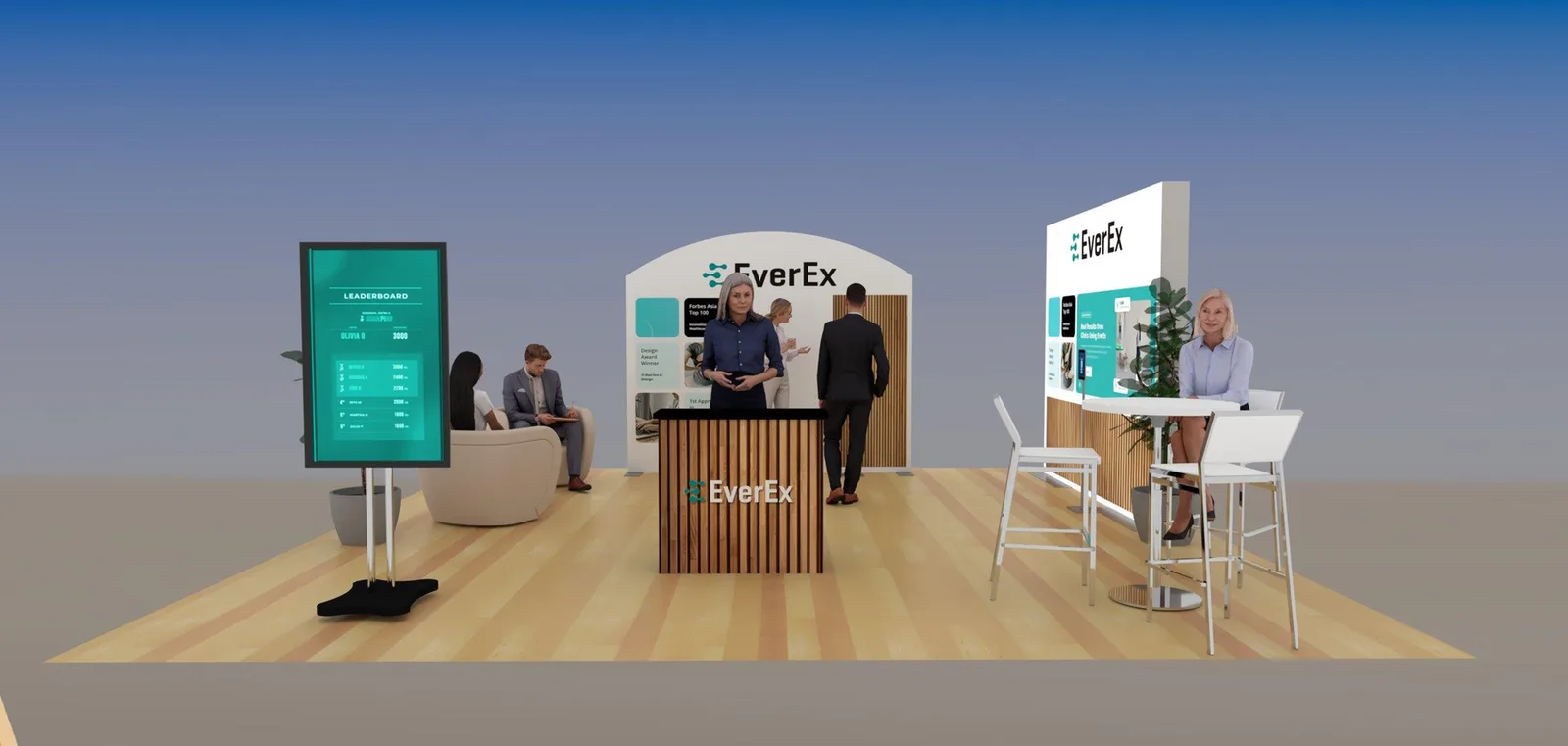
PPS 2026 and the U.S. conference program
- 5national conferences
- 200+event leads
Conferences are where EverEx meets practice owners in person, so I treat each one as an integrated campaign rather than a booth booking. Across the program I handle strategy, booth design, budgets, vendors, logistics and lead capture, and I’m now planning for APTA CSM 2027.
For APTA PPS 2026, I worked through the full picture:
- Positioning: how EverEx should show up in the exhibit hall and what attendees should remember.
- Booth strategy and creative direction: the booth experience, visuals and materials.
- Promotion: campaigns before the event to drive booth visits.
- Coordination: vendors, logistics and the teammates attending, so everyone arrived ready.
- Lead capture and follow-up: capturing leads on site and planning the follow-up that hands them to sales.
From planning to booth setup, Joe builds experiences that stop people in the exhibit hall, and he makes sure every teammate attending is set up to succeed.
Initiative 05
GTM, buyer understanding and positioning
Much of my GTM contribution happens before a campaign exists. I research the market and competitors, build an understanding of each buyer group, and use it to inform product messaging, campaign direction and what sales says to prospects.
That work shows up across the initiatives above:
- Messaging: The EverEx Effect was built on four messaging pillars written for clinic owners and clinicians.
- Segmentation: the physician segment insight from paid testing made physician practices a priority segment, and the Pelvic Health campaign was built around a defined ICP of specialty practices with fewer than 10 locations.
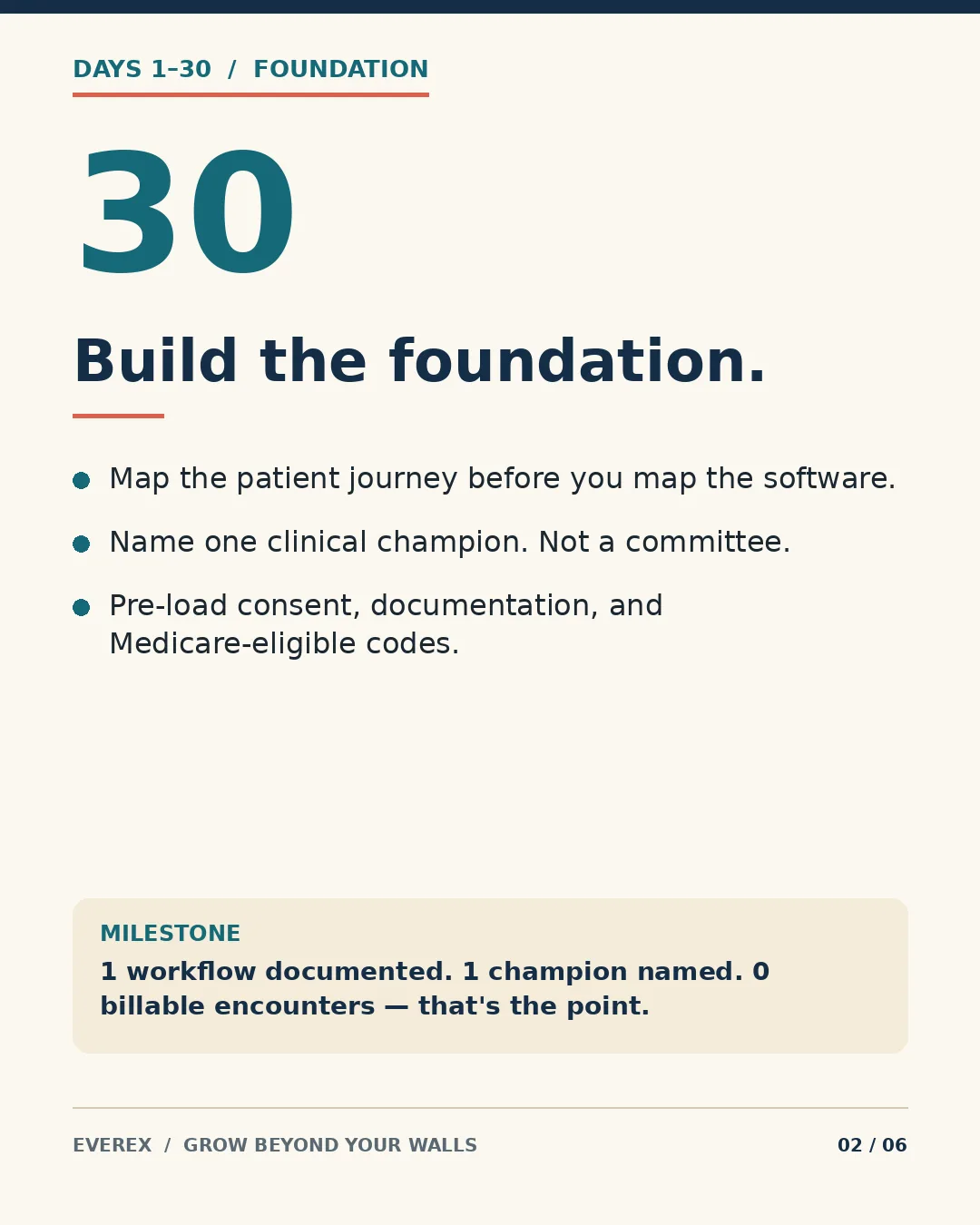
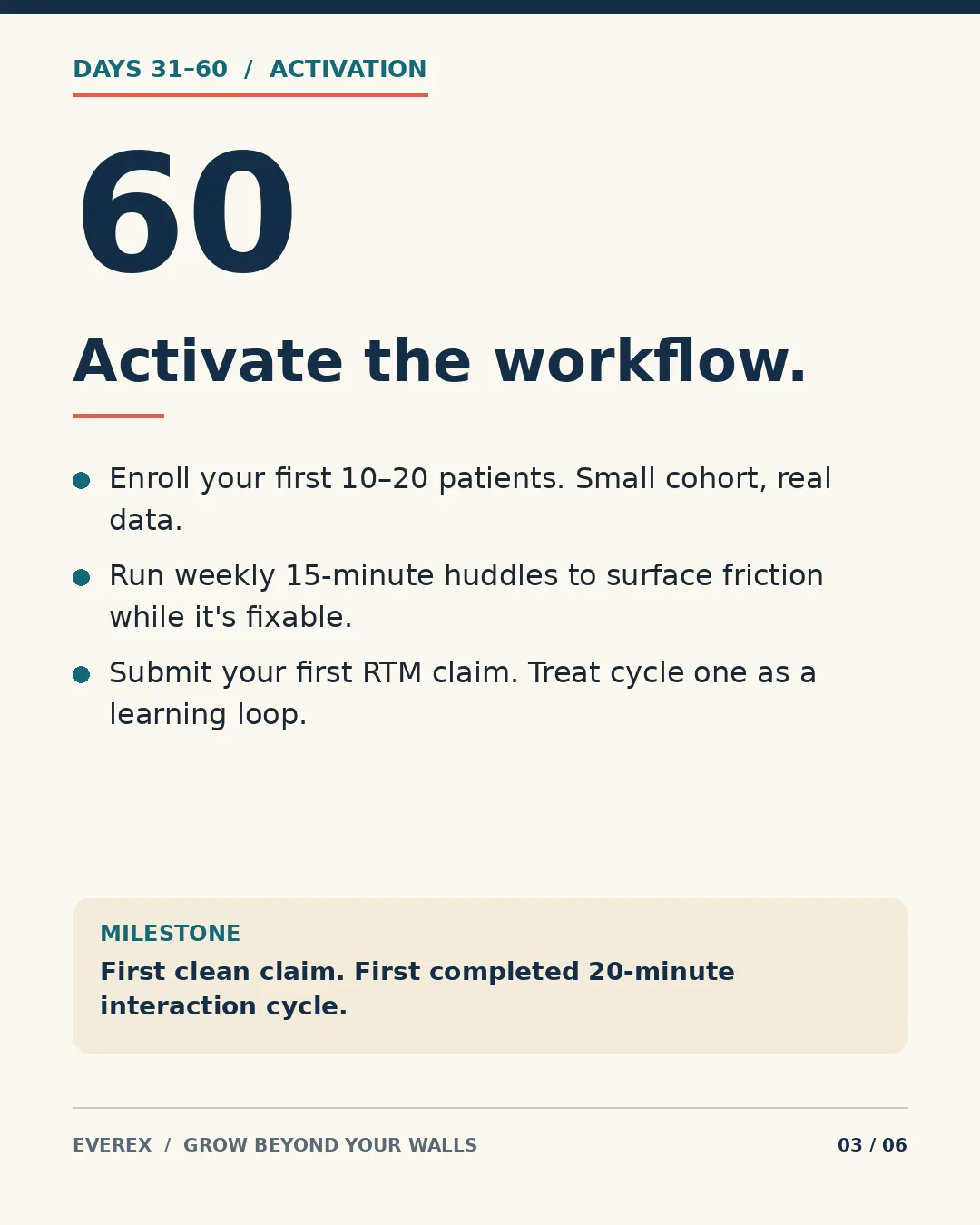
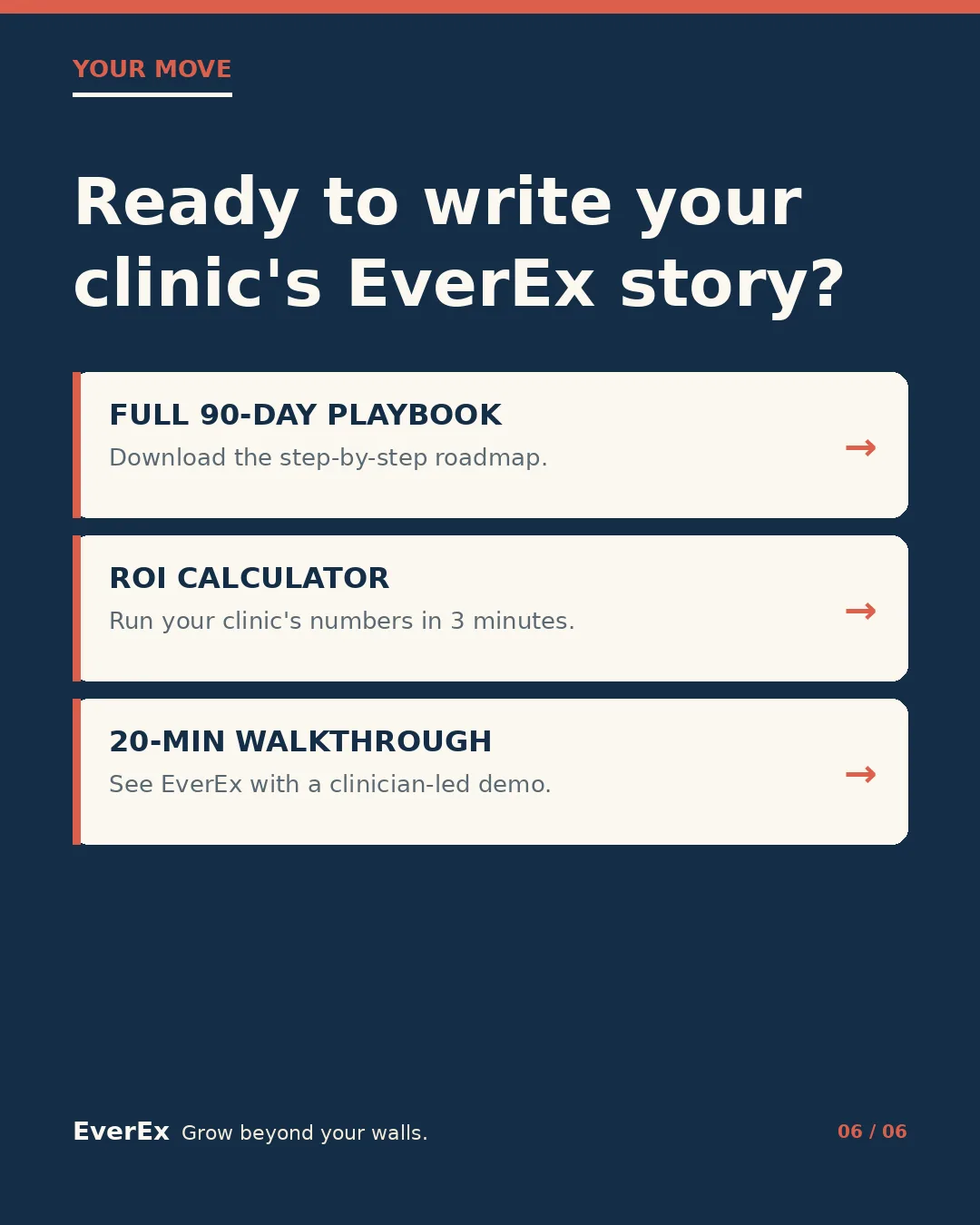
- Sales enablement: I developed a customer case study, a whitepaper, an ROI calculator and a 90-day implementation roadmap for sales conversations.
- Webinars: I launched the webinar program, featuring clinical and customer speakers.
He didn't come up through physical therapy, but he made it his job to understand the buyer: the clinic owner, the PT, the front desk, and what actually keeps them up at night.
Initiative 06
Website, CRM and measurement
- $263Ksales pipeline influenced by the inbound path
- 12deals influenced
- 25%RTM Playbook landing page submission rate
Until April 2026, contacts came in through imports and manual entry, and no website forms were tracked in HubSpot.
I built the conversion path myself: demo request forms and scheduling links, gated content (VCM whitepaper, RTM Playbook, eBook), newsletter capture, and HubSpot tracking of Webflow forms. I also audited CRM, GA4 and Search Console data quality and defined the lead measures marketing reports on.
The inbound conversion path
- Capture
- Website forms
- Demo booking
- Gated content
- TrackHubSpot
- ConvertSales pipeline
Results
- 152 form submissions on tracked pages in seven months, from essentially none before.
- The form and demo-booking path influenced 12 deals and $263,000 in sales pipeline, with a median 37 days from first touch to deal creation.
- The RTM Playbook landing page drew a 25% submission rate.
- Demo requests, scheduling-link meetings and AI-assistant referrals became trackable lead sources for the first time.
This turned marketing from activity into a measurable channel and gave leadership its first view of which channels produce leads.
He collaborates strategically and tactically with the broader GTM and Customer Success team to share his perspective on strategies to drive growth across the business.
Execution and collaboration
Strategy only matters if it ships. I turn plans into priorities, timelines, deliverables and KPIs, then coordinate the people involved:
- Sales, clinical growth and customer success: go-to-market strategies developed together and aligned with business priorities and revenue objectives.
- Clinical team and customers: clinical and customer speakers for webinars, and customer results for case studies.
- Product and leadership: messaging and positioning that stay aligned with the product and business priorities.
- Vendors and agencies: conference vendors, booth production and other outside partners.
- Global team: U.S. plans that fit alongside teams in Korea, Japan and Singapore.
I report marketing performance to leadership and manage marketing operations end to end, including CRM, website, tracking, budgets and vendors.
Business impact
Results grouped by what they measure. These are team outcomes that marketing contributed to; sales owns deal progression and closing.
Pipeline contribution
Pipeline is estimated deal value recorded in HubSpot. A deal counts as influenced when an associated contact had a marketing touch, such as an event, webinar, form, demo booking or a prospect contact I added, on or before the deal was created.
- $359Kmarketing-influenced sales pipelineAcross events, paid social, content, webinars and sales enablement
- $263Kpipeline influenced by the inbound form and demo-booking path12 deals, Apr to Oct 2026, median 37 days from first touch to deal
Leads
Contacts captured by a marketing program. Not all leads are sales-qualified.
- 200+event leadsU.S. conference program
- 101marketing leadsThe EverEx Effect, Feb to May 2026
- 56LinkedIn lead-form leadsApr to Oct 2026, from zero in the prior eight months
- 152form submissions on tracked pagesApr to Oct 2026
MQLs and demo requests
Qualified leads and direct sales requests, reported separately from total leads.
- [MQL figure pending approval for publication]Marketing-qualified leads
- [Demo request figure pending approval for publication]Demo requests
Engagement
- 291contacts engaged with The EverEx Effect220 of them new
- 50%flagship webinar attendance rate34 registrants
Conversion
- 25%RTM Playbook landing page submission rate
- 2.19%click-through rate on the pelvic health webinar promotion3.4x the account's average
Campaign efficiency
- $91.80average cost per lead across LinkedIn lead-gen campaigns
- $58.29cost per lead from physician and orthopedic leadersOne-third the cost of PT and rehab leaders
- $40cost per lead from the Pelvic Health Growth ReportLess than half the program average
Professional development
EverEx is where my earlier experience came together. Creative work taught me to build assets people act on. Performance marketing taught me to measure. Here I learned to decide what marketing should work on in the first place.
The biggest shifts:
- From channels to buyers. Audience mattered more than creative, so segmentation now comes before production.
- From volume to quality. Lead counts are a starting point. I now judge programs by lead quality, conversion and pipeline.
- From execution to planning. As Marketing Manager, much of my value is in setting priorities, coordinating teams and making tradeoffs with a small budget.
Supporting visuals
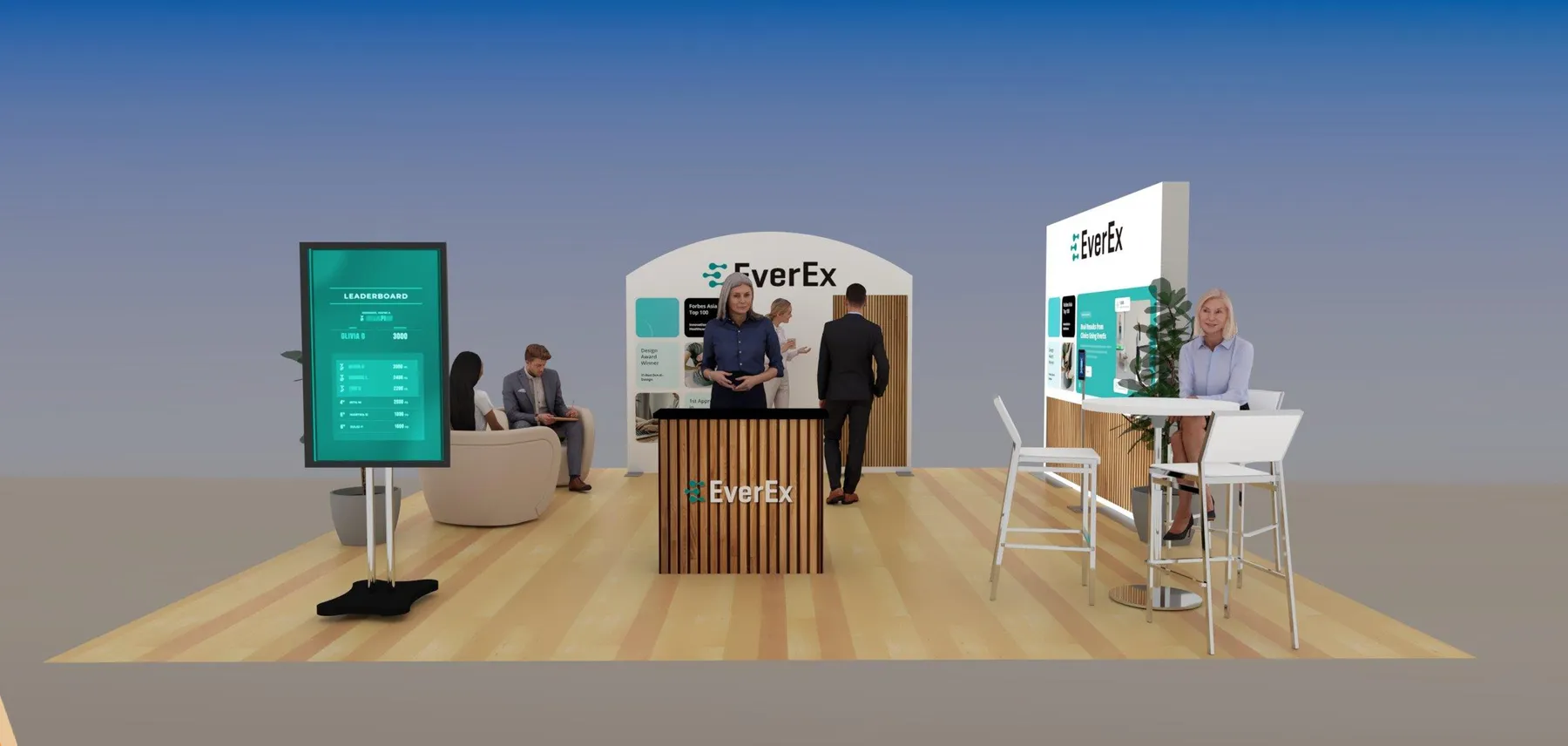 APTA PPS 2026 booth design rendering (20 by 20 foot island), developed with exhibit vendor Visual Communications. On-screen graphics are placeholders. (opens larger image)
 The EverEx Effect: campaign title card (opens larger image)
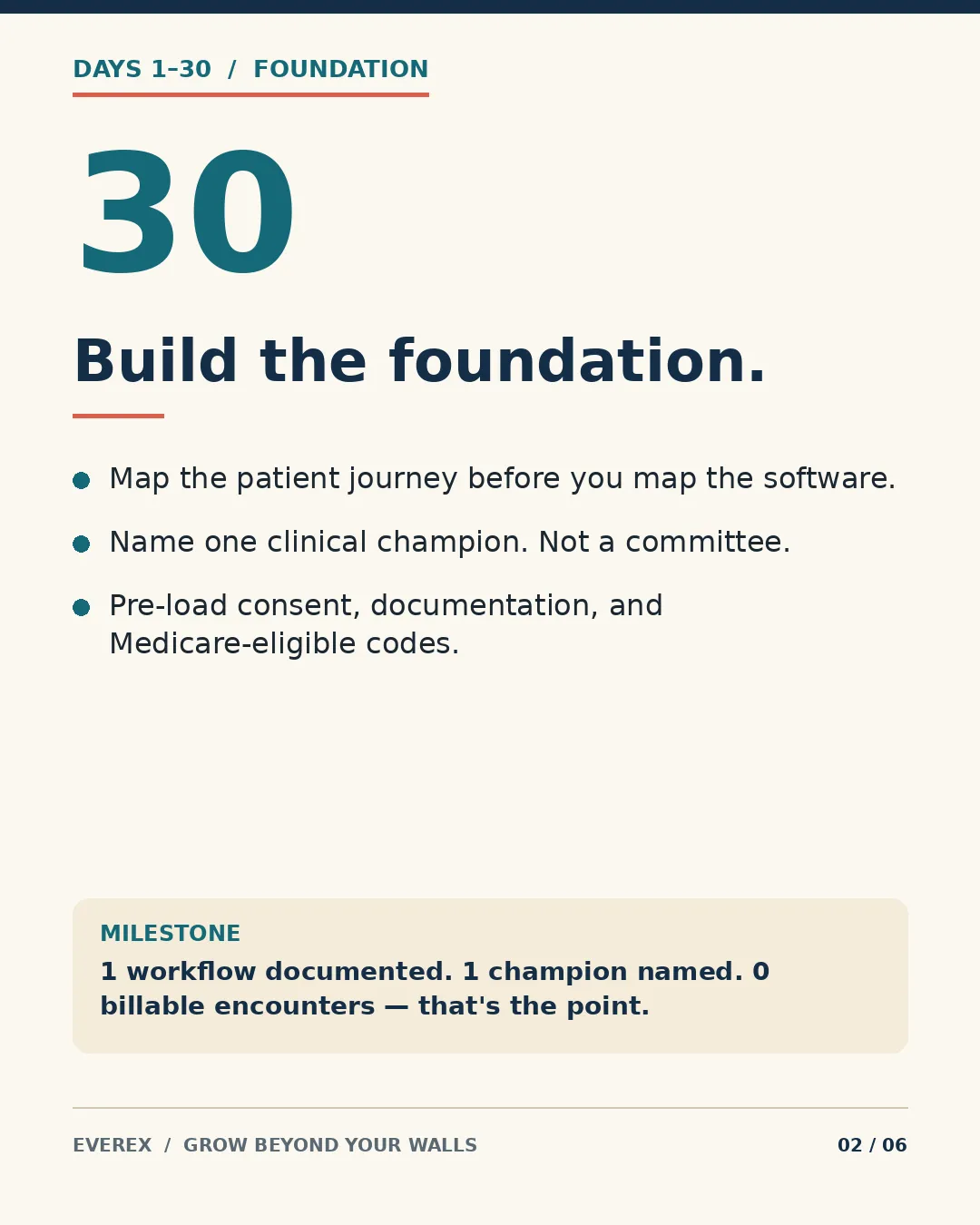 Your First 90 Days with RTM carousel: days 1 to 30 (opens larger image)
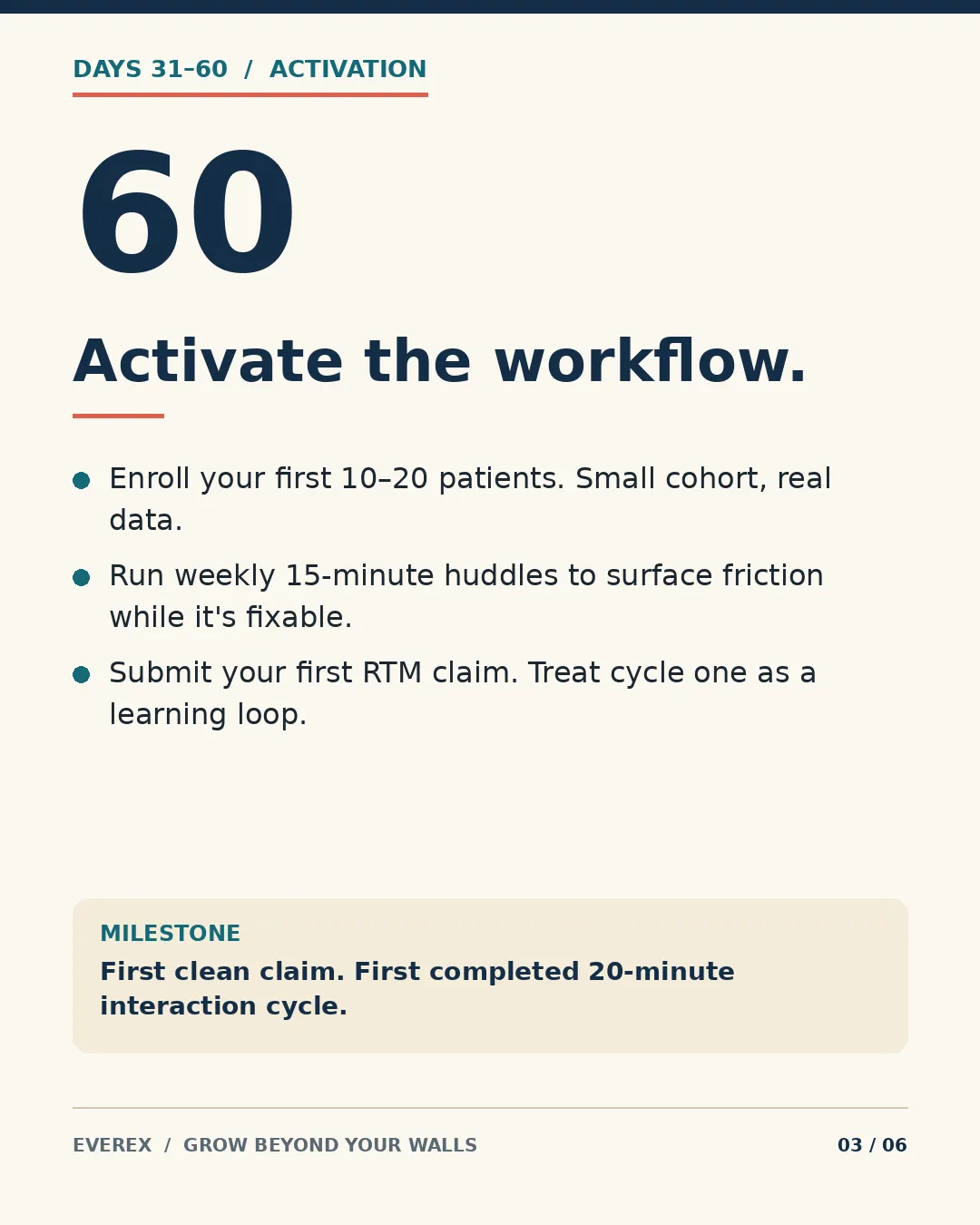 Your First 90 Days with RTM carousel: days 31 to 60 (opens larger image)
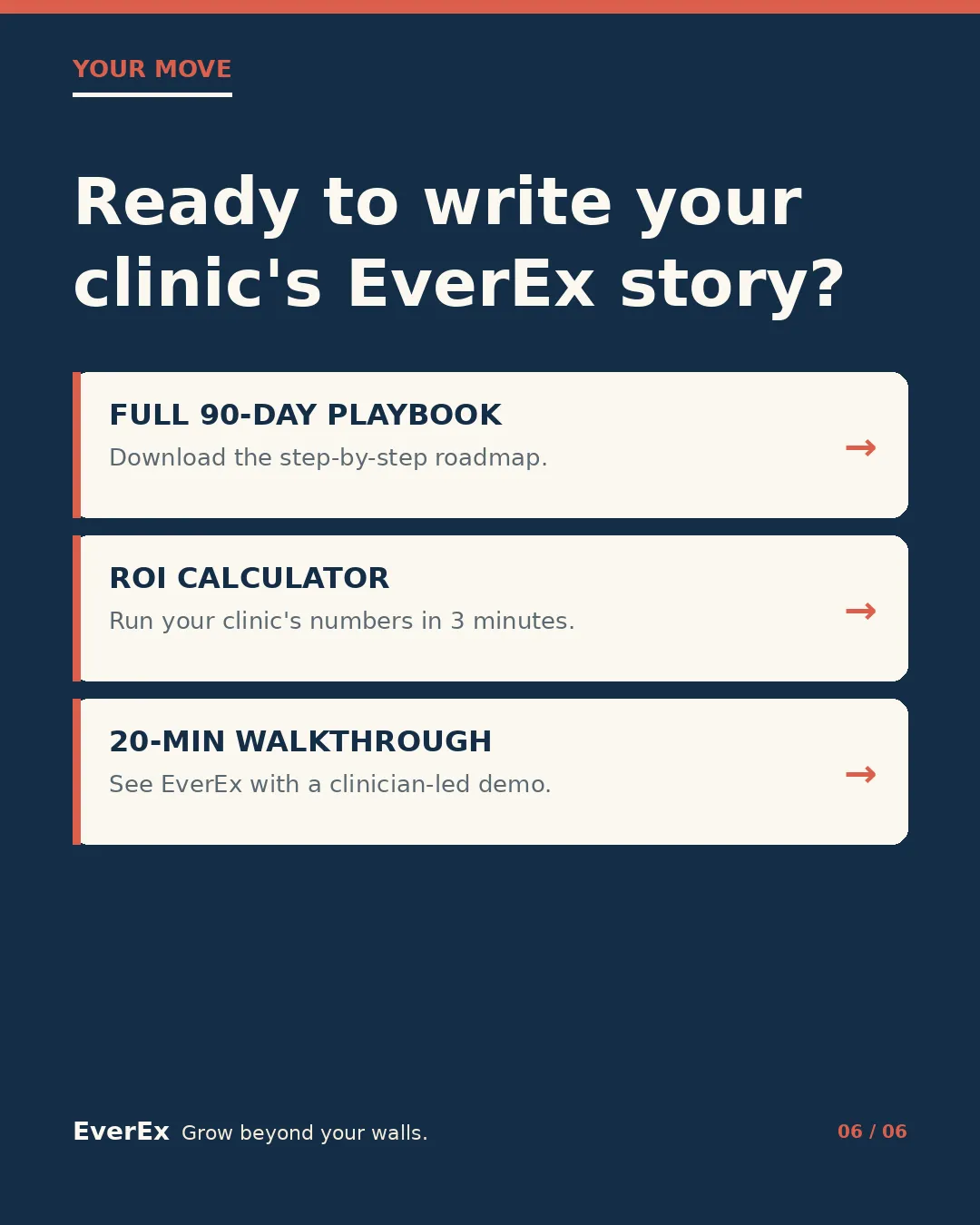 Your First 90 Days with RTM carousel: call to action (opens larger image)